Trustworthy HVAC Services for Optimal Home Comfort Regulation
High-quality HVAC services are vital to sustaining ideal household temperature balance. Homeowners regularly confront concerns like peculiar sounds, erratic climate control, and mounting utility bills. Routine maintenance can substantially enhance unit performance and indoor air quality. Engaging an experienced HVAC technician is critical for enduring advantages. Being aware of the signs that suggest repair is necessary can additionally enhance comfort in the home. What particular indicators should property owners recognize?
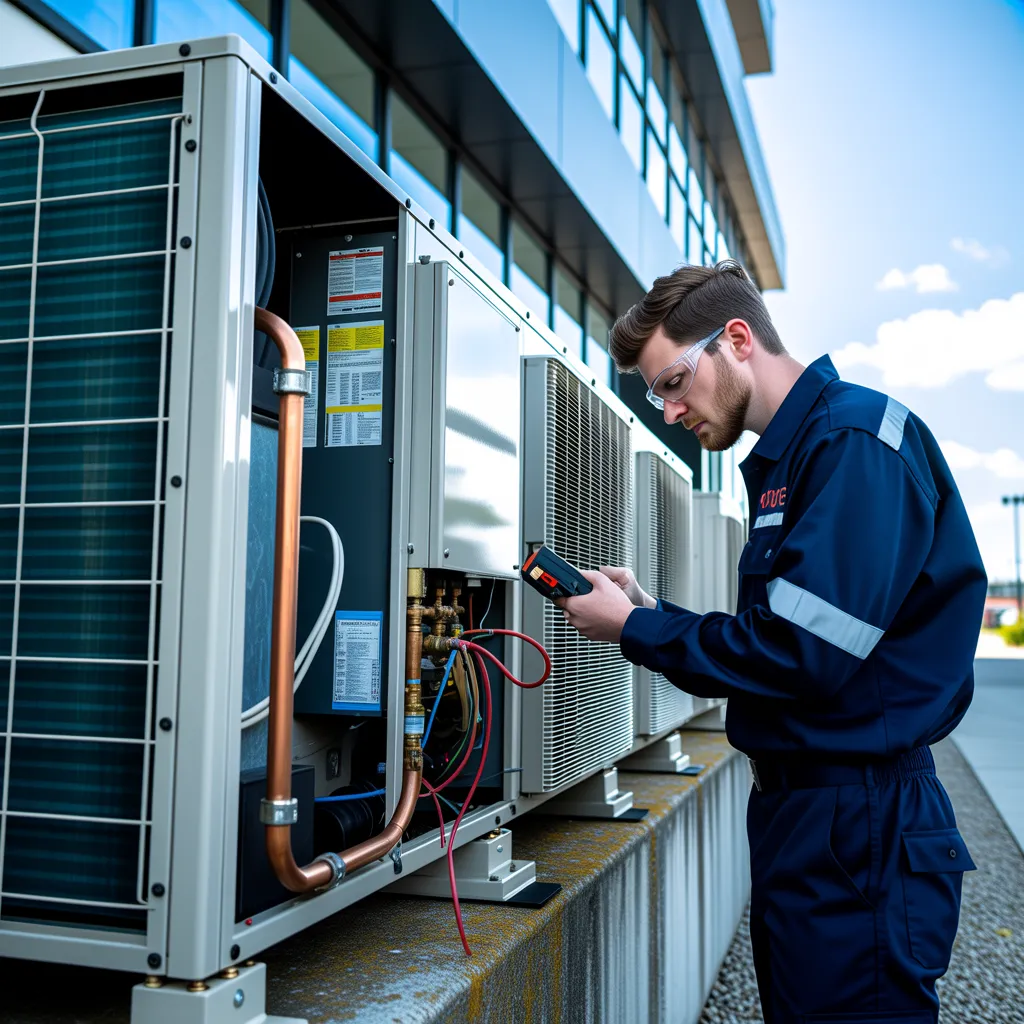
Indicators Your HVAC System Requires Service?
How can property owners tell when their HVAC system requires maintenance? Several indicators can assist in identifying potential issues. Unusual noises, such as grinding or whistling, often indicate mechanical problems. Additionally, varying temperatures across different rooms may indicate ductwork issues or a malfunctioning thermostat. Homeowners should also be aware of an rise in energy bills, which can indicate that the system is operating more intensively than necessary to sustain comfort.
A important indicator is the detection of unusual smells, which might indicate electrical problems or mold development within the system. Constant switching on and off, known as short-cycling, can result in increased damage. Finally, if the system is delivering insufficient air or no air at all, check article it may require urgent attention. Catching these signals early can avert additional damage and expensive repairs.
Benefits Regular HVAC Maintenance Is Key
Consistent HVAC upkeep is important for ensuring peak efficiency and extending the life expectancy of your system. Scheduled inspections and servicing assist in identifying emerging concerns before they worsen into expensive replacement work. Throughout upkeep, technicians typically clean components, check refrigerant levels, and verify that every part functions properly. This proactive strategy not only strengthens system reliability but also improves energy efficiency, producing affordable utility bills.
Additionally, routine maintenance can markedly enhance indoor air quality by verifying filters are in good condition and ventilation systems are unobstructed. Skipping maintenance can result in decreased performance and greater deterioration on components, in the long run shortening the system's operating life. Also, several manufacturers insist on routine upkeep to copyright warranty coverage. By adhering to a steady HVAC maintenance schedule, homeowners can experience a comfortable living environment while minimizing sudden repair costs and expenses. All in all, routine maintenance is a critical investment in home climate control.
Key Factors In Choosing An HVAC Service Provider
Choosing the right HVAC service provider is essential to preserving an optimal home climate control system. Several important factors should be evaluated to guarantee peak service. First, the provider's permits and protection status is critical; this protects homeowners from potential liabilities. Second, evaluating experience and expertise is imperative; seasoned technicians are more likely to resolve and diagnose issues effectively.
Additionally, client feedback and endorsements can provide insight into the service provider's dependability and service excellence. Pricing transparency is a vital element; a reputable provider should offer clear estimates without hidden fees. Finally, availability and customer care play a significant role in ongoing maintenance and emergency services. By methodically reviewing these considerations, homeowners can select a reliable heating and cooling specialist, ultimately contributing to a comfortable and efficient living environment.
Different HVAC Types You Should Learn About
Comprehending the different types of HVAC systems is essential for effective home climate control. Central air conditioning systems, ductless mini-split systems, and heat pump systems each provide distinct advantages and applications. Familiarity with these options enables homeowners to make educated decisions customized to their specific needs.
Central Air Conditioning Systems
While numerous dwellers seek out effective climate control solutions, central air conditioning systems represent a well-liked choice due to their efficiency and capacity to condition large spaces in a balanced manner. These systems function properly by circulating chilled air through a network of ducts, delivering steady comfort across numerous spaces. Central air conditioning units typically consist of an outdoor compressor and an indoor evaporator coil, which function jointly to strip away warmth from the air. This technique not only enhances comfort but also promotes improved indoor air quality by filtering dust and allergens. Additionally, central systems can be paired with smart thermostats, allowing homeowners to regulate energy usage more effectively, thus decreasing utility costs while maintaining a comfortable living environment.
Ductless Mini-Split Units
Ductless mini-split systems offer a adaptable and economical choice for homeowners desiring tailored climate control. These systems consist of an outdoor compressor unit and one or more indoor air-handling units, enabling accurate temperature management in individual rooms. This flexibility enables homeowners to customize heating and cooling according to their specific needs, enhancing comfort while possibly reducing energy costs. Furthermore, ductless systems are easier to set up than traditional systems, as they require minimal ductwork, making them ideal for retrofitting older homes. Their small footprint also facilitates installation in spaces where conventional systems may not fit. As a result, ductless mini-split systems are increasingly popular for those seeking to optimize home climate control efficiently.
Heat Pump Solutions
Heat pump systems offer another state-of-the-art option in modern HVAC technology, providing both cooling and heating solutions through a single unit. These systems operate by transferring heat rather than producing it, making them energy-efficient and environmentally friendly. There are two main types: air-source and ground-source (or geothermal) heat pumps. Air-source units extract heat from the outside air, while ground-source systems access heat from the ground. Both types can markedly reduce energy bills and lower carbon footprints. Heat pumps are particularly successful in moderate climates, where they can keep comfortable indoor temperatures year-round. However, their efficiency can wane in extreme temperatures, requiring supplemental heating. Overall, heat pump systems are a versatile choice for homeowners in search of sustainable climate control solutions.
How HVAC solutions Can Cut You Cash On Energy Bills
Reliable HVAC services contribute significantly to managing energy bills for homeowners. Consistent maintenance, intelligent climate control installation, and performance-enhancing improvements can markedly boost system performance. By optimizing these elements, homeowners can achieve meaningful reductions on their energy bills.
Efficient System Maintenance
Maintaining an HVAC system is critical for enhancing energy performance and reducing monthly utility costs. Scheduled inspections and maintenance ensure that the system performs at peak performance, cutting down on energy consumption. Routine maintenance tasks, such as replacing or cleaning filters, can substantially improve airflow and lower strain on the system, leading to lower utility costs. Additionally, handling minor issues before they develop into costly maintenance can save homeowners large sums in the long run. HVAC professionals can spot inefficiencies and suggest modifications, confirming that the system runs smoothly throughout the year. By emphasizing regular system maintenance, homeowners can achieve a comfortable indoor climate while also enjoying substantial reductions on their energy expenses.
Deploying Your Smart Thermostat
An intelligent temperature control device can significantly improve power efficiency for homeowners while providing increased command over indoor climate. By self-regulating heating and cooling configurations based on usage patterns and personal choices, these devices optimize power usage. HVAC services are essential in the setup phase, ensuring that the thermostat is suitable with existing systems and set up for optimal performance. Professional installers can also inform homeowners on capabilities like remote access and energy usage reports, enabling informed decisions about temperature management. Additionally, many smart thermostats connect with smart home platforms, further streamlining energy management. Ultimately, putting money into smart thermostat installation through dependable HVAC services can result in substantial decreases in utility costs while improving overall comfort in the home.
Cost-Saving Energy Enhancements
Energy-efficient improvements are vital to cutting energy expenses on energy bills while boosting home comfort. HVAC services can support homeowners in recognizing and deploying these upgrades, which include efficient heating systems, high-efficiency cooling units, and enhanced insulation. By replacing outdated systems with contemporary, efficient models, households can cut energy consumption considerably. Additionally, consistent maintenance ensures optimal performance, eliminating costly repairs and poor operation. Insulating ductwork and sealing leaks further strengthen energy efficiency, allowing for improved temperature management throughout the home. Making these upgrades not only cuts monthly utility costs but also helps a more sustainable environment. Overall, energy-efficient improvements constitute a prudent financial choice for homeowners wanting to maximize both comfort and savings.
Why HVAC Services Improve Air Quality
Improving air quality indoors is a chief advantage of qualified HVAC service providers. Consistent maintenance and servicing of HVAC systems assure that filters are clean and performing optimally, which helps collect dust, allergens, and other pollutants. Regular inspections can identify issues such as mold growth or duct leaks, both of which can substantially reduce air quality.
Moreover, HVAC professionals can suggest and install air cleaning systems, which further enhance the household space by capturing minute particles. They can also review moisture readings, as excessive moisture can produce mildew growth and mold, affecting air quality.
What To Anticipate During Your HVAC Appointment
Keeping optimal indoor air quality frequently leads homeowners to book HVAC appointments. During these appointments, technicians typically start with a comprehensive inspection of the system, assessing components such as filters, ducts, and thermostats. They may inquire questions regarding any specific concerns or unusual noises, allowing them to customize their service.
Following this, technicians often service or upgrade filters to enhance efficiency and air quality. They may also inspect refrigerant levels and check for leaks, ensuring peak performance. Additionally, they will assess the system's performance, verifying that climate control systems operate smoothly.
Homeowners can expect a comprehensive document presenting results and suggestions. This may include suggestions for future maintenance or potential upgrades. By comprehending these steps, homeowners can better appreciate the significance of routine HVAC maintenance visits in maintaining a comfortable and healthy living environment.
Common Posed Questions
How long Does an HVAC Setup Usually Take?
HVAC implementation normally requires between one to three days, based on the system's complication and the extent of the home. Factors such as current setup and obligatory changes can also determine the duration.
What Coverage Options Do Heating and Cooling Systems Come With?
HVAC systems typically include assorted warranties, including limited parts warranties, extended labor warranties, and extensive system warranties, which may fluctuate by manufacturer and installation service. Customers should examine choices carefully to confirm sufficient coverage.
Is it feasible to install an HVAC System by myself?
Setting up an HVAC system by yourself is achievable but frequently impractical. Correct knowledge, equipment, and local codes must be reviewed. Expert installation is usually advised to guarantee security, efficiency, and adherence to codes.
What Is the Normal Lifespan of an HVAC Unit?
The average lifespan of an HVAC unit typically ranges from 15 to 25 years. Elements such as maintenance, usage, and climate factors can greatly influence its lifespan, affecting overall performance and efficiency.
How Many Times Per Period Should I Substitute My HVAC Components?
HVAC filters should generally need changing every one to three months, based on usage and environmental factors. Regular replacement guarantees peak system efficiency and enhances indoor air quality, promoting a healthier living environment.